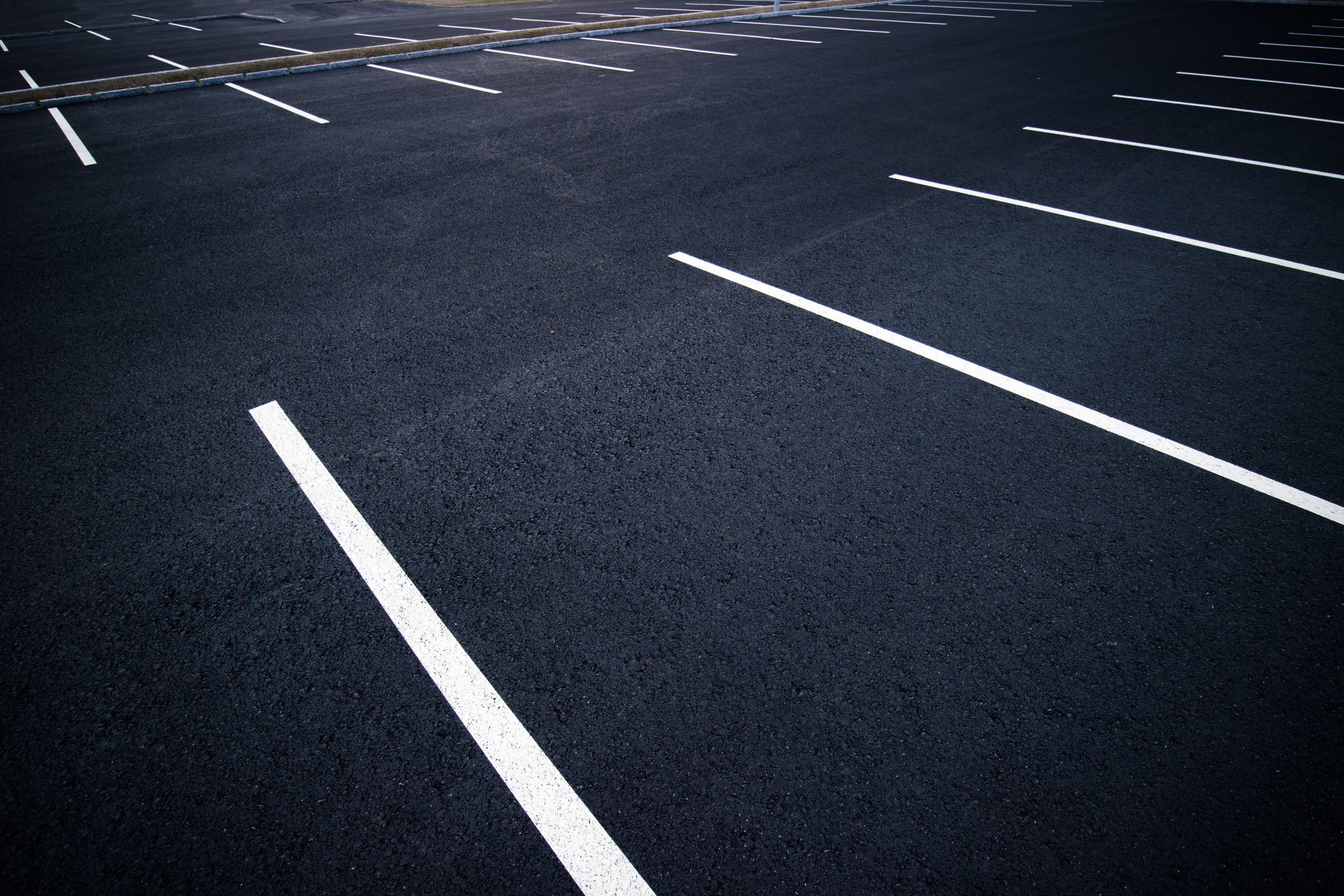
Aerial view of a freshly striped commercial parking lot

Asphalt Crack Filling — Kent + Tacoma

Cracks left alone turn into potholes. We stop that.

Free estimate by phone.

Why a crack gets worse on its own

A crack in asphalt is a path for water to reach the gravel base underneath. Once water's there, every winter's freeze-thaw cycle widens the crack a little more. The base softens. The hairline you noticed last summer becomes a half-inch gap by the next, and a real pothole in two or three years.

The cost goes up every year you wait. The fix is cheapest the season you first see the cracks. Crack-filling at that point is a routine afternoon on the lot. Wait long enough and it stops being a crack-fill job at all — it becomes a patch job, and the bill changes by a factor of ten.

This page lays out when crack-filling is the right call, when it isn't, and what we put in the cracks.

What waiting actually costs

Year one: a hairline shows up. Handled inside a routine sealcoat with no separate scope. No real cost beyond what you'd pay anyway.

Year two or three: real crack-filling. A few hundred to a few thousand depending on lot size. Still routine maintenance.

Year four or five: edges crumbling, base soft underneath the cracks. We're patching now, not filling. Cost is several times the crack-fill bill from year three.

Past that: alligator cracking, structural failure across an area, partial repaving. Ten times the original patch bill, and the lot's offline for longer.

We've never had a property manager tell us they wished they'd waited another year.

What we use

Hot-pour rubberized crack sealant meeting ASTM D6690, the federal specification for asphalt joint and crack sealants. The "rubberized" part is the important part: the material flexes with temperature swings instead of cracking back open the next winter. It bonds to both sides of the crack and stays sealed for three to five years on a typical commercial lot.

We use D6690-compliant products from Crafco, SealMaster, or W.R. Meadows depending on the lot and the season. Big-box cold-pour crack filler from the hardware store works on a driveway as a one-year stopgap. It does not last on a commercial lot exposed to truck traffic and Pacific Northwest winters.

What's in the visit

  • Walk the lot and mark every crack worth filling. No padding the count with hairlines that don't need it yet.
  • Compressed-air clean each crack so the sealant bonds to clean asphalt, not dust and debris.
  • Rout edges where the crack has crumbled, so the new material has a clean wall to bond to.
  • Heat the sealant to the right pour temperature so it actually bonds (cold-poured rubberized fails this step).
  • Fill the crack flush with the surface so it doesn't bump a car or trip a pedestrian.

That's it. It's not a long job, and it doesn't need to be. Done right it lasts.

When crack-fill is the wrong fix

Crack-filling doesn't fix everything that looks like a crack. We'll tell you on the walk if your lot is past the point where filling is the right answer:

Alligator cracking — interconnected web of cracks across a small area — means the base underneath has failed. That's a patch job, not a fill job. Filling alligator cracks looks fine for one winter and fails the second.

Cracks wider than about an inch or two aren't really cracks anymore. The asphalt has dropped on one side or pulled apart, and the gap needs to be sawn out and patched, not bridged with sealant.

Cracks across soft spots, around pothole edges, or running through obviously deteriorating asphalt mean the surrounding lot has lost structure. Filling the crack doesn't fix the underlying problem and the crack opens up again next year.

We'd rather skip a fill that won't last than bill you for it.

Right sequence on aging lots

If your lot needs more than just crack-fill, the order matters: crack-fill first, then sealcoat, then stripe. Skipping the crack-fill is the single most common reason a sealcoat job fails inside two years. The seal bridges the gap on day one, the crack widens underneath, and the seal splits along the same line a couple winters later.

FAQ

Won't sealcoating fix the cracks anyway? No. Sealcoat bridges hairlines under a quarter-inch. Anything wider has to be filled first, or the seal splits along the crack.

How long does crack-fill last? Three to five years on a typical commercial lot with hot-pour rubberized. The temperature swings of a Pacific Northwest year are what shortens that.

What size crack does this fix? Quarter-inch and wider. Narrower than that gets handled inside a sealcoat job. Wider than about an inch isn't a crack-fill candidate — it's patching.

Why are cracks worse here than other parts of the country? Wet winters plus freeze-thaw cycles. Water gets in, freezes, expands, widens the crack a little, melts, refreezes the next night. By spring the crack is bigger than it was in October.

Can I just pour cold-pour from the hardware store? You can. It lasts one to two years against three to five for hot-pour rubberized. Fine for a driveway or a stopgap. For a commercial lot, hot-pour is the answer that doesn't bring us back in twelve months.

Service area

Kent (Kent Valley Industrial, East Hill, Kent Station, Riverbend), Auburn (downtown, Lakeland Hills, Auburn Way corridor), Federal Way (downtown, Twin Lakes), Tacoma, Renton (downtown, Highlands), Covington, and the surrounding South King and Pierce County area.

Ready to seal it before it gets worse?

Call (253) 264-5064 or request a free estimate. Free walk, real number after.

Property Managers Choose Us

Precision Craftsmanship

We apply every line, seal, and marking with care, so the finished result looks sharp, holds up, and reflects well on your property.

Straightforward Service

Clear communication, fair pricing, and a commitment to doing the job right without cutting corners.

Convenient Scheduling

We work around your schedule—including evenings and weekends—so your lot stays open and your operations stay uninterrupted.

Lasting Protection

Our sealcoating helps preserve your pavement, reduce wear, and prevent costly repairs down the road.

Disabled veteran-owned

Family operated

Built on integrity